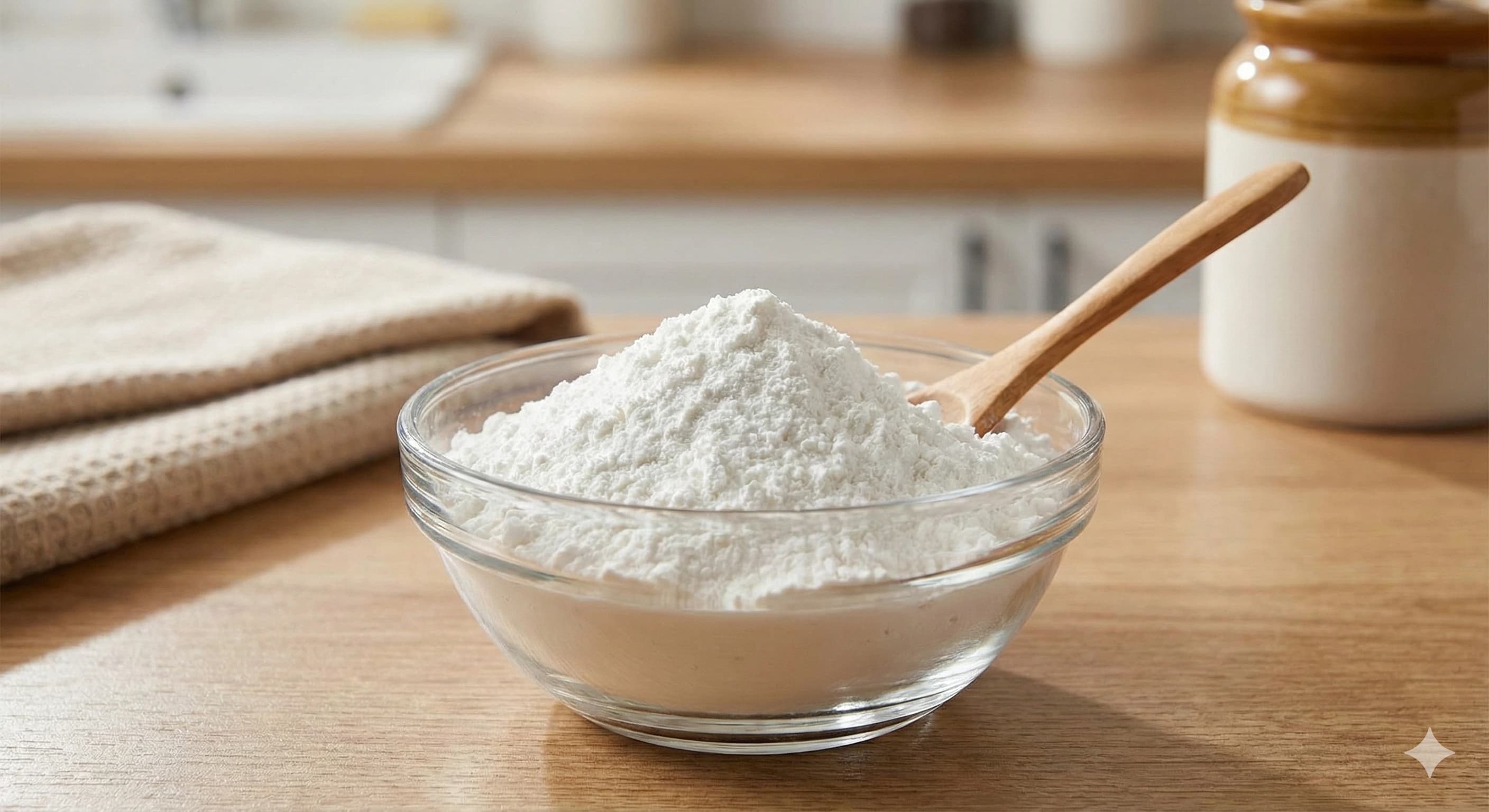
In the competitive world of food manufacturing—from crackers (keropok) to meat processing—the difference between a "good" product and a "premium" product often comes down to one invisible factor: Purity.
While many procurement managers focus solely on price, the technical specification of Ash Content in Tapioca Starch plays a critical role in the final output quality.
What is Ash Content and Why Does It Matter?
Ash content refers to the inorganic mineral residue left after processing. In lower-grade starch, high ash content often implies impurities like fine sand or silica.
- For Noodle & Vermicelli Makers: High-ash results in a dull, greyish color and a brittle texture.
- For Sauces & Fillings: It can introduce a subtle "earthy" aftertaste that masks your delicate seasoning.
The Nusa Terra Standard: 0.15% Low Ash
At Nusa Terra Foods, we have optimized our production to achieve an ultra-low ash content of 0.15%. This is significantly purer than the standard industrial grade (often >0.25%).
For our partners in the Cracker & Snack industry, this translates to:
- Brighter Appearance: Snacks look cleaner and more appetizing.
- Pure Taste: The natural flavor of fish or shrimp shines through without interference.
- Machine Longevity: Fewer impurities mean less abrasion on your extrusion and cutting machinery.
Viscosity: The Power of Texture
Beyond purity, consistency is key. Our starch maintains a stable viscosity of 5,000 - 7,000 cps. Whether you are looking for the perfect "springy" bite in meatballs or the ideal expansion in snacks, Indonesian Tapioca Starch offers a robust and cost-effective solution compared to Sago or Corn Starch.
Conclusion
Sourcing the right starch is not just about filling a container; it is about securing the consistency of your final product. Nusa Terra is ready to be your direct partner in quality.